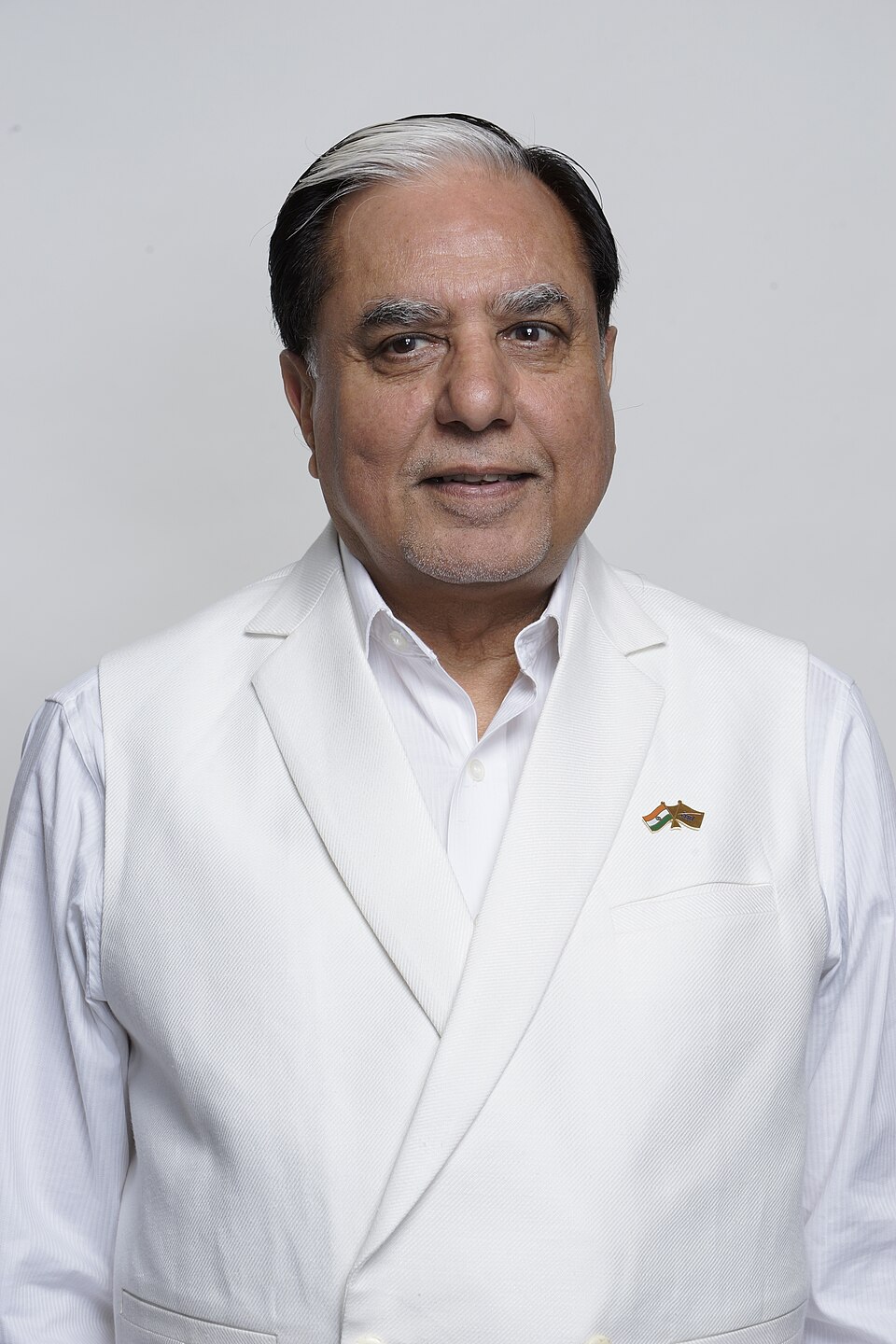
From Humble Beginnings: The Genesis of Subhash Chandra's Empire
Subhash Chandra, an eminent figure in the Indian business landscape, stands as a testament to entrepreneurial vision and relentless determination. His journey from a young man who dropped out of school to a media mogul with an estimated subhash chandra net worth of $2.1 billion is nothing short of inspirational. It's a narrative woven with resilience, strategic foresight, and an uncanny ability to identify and capitalize on burgeoning market opportunities. Chandra didn't inherit an empire; he built one from the ground up, diversifying across sectors that would profoundly shape India's economic and cultural fabric.
Born on November 30, 1950, in Adampur, Haryana, Chandra's early life was far from the privileged start one might associate with a future billionaire. His family was involved in agriculture and trading, and financial constraints dictated a different path than traditional higher education. At the tender age of 17, Chandra made a pivotal decision: he left school to support his family's modest rice trading business. This move, while born out of necessity, inadvertently became his real-world classroom, imparting invaluable lessons in commerce, negotiation, and the art of the deal.
This early immersion in practical business laid the foundation for his future endeavors. It taught him the importance of keen observation, adaptability, and the courage to look beyond existing limitations. Unlike many who might have been content to maintain the family business, Chandra possessed a restless ambition. He understood that India, in the late 20th century, was on the cusp of significant economic transformation, and he was determined to be a part of it, seeking opportunities that aligned with a modernizing nation.
Forging Essel Group: Diversification Beyond Imagination
The year 1976 marked a significant turning point when Subhash Chandra renamed his family enterprise Essel Group. This was not merely a cosmetic change; it symbolized a new era of diversification and aggressive growth. Chandra's initial foray into expansion was in the packaging industry, with the establishment of Essel Packaging. This strategic move proved to be highly prescient. As India's consumer goods market began to blossom, driven by the rise of Fast-Moving Consumer Goods (FMCG) brands, Essel Packaging positioned itself as a crucial supplier of laminated tubes. Becoming a trusted partner for these burgeoning giants showcased Chandra's ability to anticipate demand and provide essential services.
But Chandra’s vision didn't stop at B2B services. He was keen to explore consumer-facing ventures, demonstrating a remarkable willingness to experiment. The expansion of Essel Group into infrastructure and, notably, amusement parks, illustrated this perfectly. The launch of EsselWorld, one of India's largest amusement parks, was a bold move. It represented a significant shift from his previous business models, venturing into the realm of leisure and entertainment – a sector that was largely nascent in India at the time. This venture not only diversified the Essel Group's portfolio but also demonstrated Chandra’s foresight in recognizing the growing aspirations of the Indian middle class for recreational experiences. The success of EsselWorld further solidified the Essel Group's diverse capabilities and contributed substantially to what would become the impressive subhash chandra net worth.
The Media Revolution: How Zee TV Changed India
Perhaps the most transformative chapter in Subhash Chandra's career, and indeed in Indian media history, began in 1992 with the launch of Zee TV. At a time when India’s television landscape was monopolized by the state broadcaster Doordarshan, Zee TV arrived as a trailblazer, offering the nation its first private satellite television channel. This was more than just a new channel; it was a paradigm shift. Indian audiences, accustomed to limited programming options, were suddenly introduced to a diverse array of entertainment, news, and cultural content.
Zee TV's success was immediate and profound. Its innovative programming, which included everything from daily soaps and game shows to reality television and regional content, captivated millions. It quickly became a household name, challenging the status quo and redefining what was possible in Indian broadcasting. The impact extended beyond entertainment; it democratized access to information and varied perspectives, playing a pivotal role in shaping public discourse and cultural trends. The sheer scale and popularity of Zee TV cemented Chandra's status as a visionary entrepreneur and laid the foundation for a significant portion of his eventual subhash chandra net worth.
Today, Zee Entertainment Enterprises stands as a titan in the global media industry. It operates an expansive network of over 50 channels across 11 languages, boasting a staggering weekly reach of more than 572 million viewers in over 120 countries. This incredible growth from a single channel to a global media conglomerate underscores Chandra's strategic genius and relentless pursuit of market dominance. The journey of Zee Entertainment is truly a case study in media innovation and expansion. For more on this, explore Zee Entertainment & Beyond: Subhash Chandra's Diversified Empire.
Expanding the Empire: From DTH to Bollywood
Building on the monumental success of Zee TV, Subhash Chandra embarked on a comprehensive strategy of media ecosystem expansion. He understood that to maintain and grow his influence, diversification within the media sector was key. This led to a series of strategic launches and acquisitions that further solidified the Essel Group's position:
- Dish TV (2003): Recognizing the potential of direct-to-home (DTH) satellite television, Chandra launched India's first DTH service. This move was revolutionary, offering subscribers a wider choice of channels and superior picture quality, bypassing the limitations of traditional cable networks. It created a synergy with Zee's existing content library, delivering it directly to millions of homes.
- DNA (Daily News & Analysis) (2005): Venturing into print media, Chandra launched an English-language daily newspaper. This move demonstrated his commitment to being a comprehensive media player, providing news and analysis alongside entertainment, and catering to an evolving, discerning readership.
- Zee Learn: Recognizing the critical importance of education, Essel Group diversified into this sector with Zee Learn, focusing on educational institutions and e-learning platforms. This initiative highlighted Chandra's understanding of India's growing demand for quality education and his ability to leverage his brand for social impact and long-term investment.
- Zee Studios: To complete the media value chain, Chandra established Zee Studios, a film production company. This allowed Essel Group to enter mainstream Bollywood, producing and distributing films, thus creating original content that could feed into its vast network of channels and platforms.
This calculated diversification transformed Zee Entertainment into one of India's largest and most integrated media conglomerates. Each new venture wasn't just an addition; it was a strategic piece of a larger puzzle, designed to create a synergistic ecosystem that could capture audiences across various formats and platforms. This comprehensive approach to media and entertainment has been a core driver of Chandra's considerable wealth and influence.
Navigating Challenges and The Enduring Legacy
Like all visionary entrepreneurs, Subhash Chandra's journey has not been without its share of formidable challenges. The business world is inherently dynamic, and even the most successful leaders encounter periods of intense pressure and setbacks. In 2019, the Essel Group faced a significant debt crisis, a period that tested Chandra's resilience and strategic acumen. Amidst these trying circumstances, he made the decision to step down as the chairman of Zee Entertainment, transitioning to the role of chairman emeritus. This move, while difficult, demonstrated a commitment to the organization's stability and future.
Despite these challenges, Subhash Chandra's legacy as a pioneer remains firmly intact. His ability to build a multi-billion-dollar empire from a modest background, identifying and nurturing entirely new industries in India, is a powerful narrative of entrepreneurial spirit. He proved that vision, combined with an unwavering belief in one's capabilities and a keen understanding of market dynamics, can overcome even the most daunting obstacles. His impact on Indian media, entertainment, and even consumer habits is indelible.
Today, the story of Subhash Chandra continues to inspire millions. His estimated subhash chandra net worth of $2.1 billion is a quantitative measure of his business success, but his true legacy lies in the qualitative transformation he brought to India's media landscape and beyond. He is a living example that practical learning, coupled with bold decision-making and an unwavering commitment to innovation, can pave the way for extraordinary achievements. For a deeper dive into the financial aspects of his remarkable journey, you can read more at Subhash Chandra's $2.1 Billion Net Worth: From Trader to Media Mogul.
